
Understand Common Warning Signs
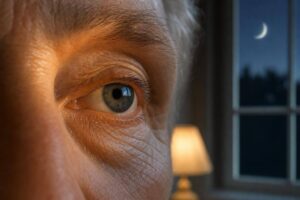
A Cataract Symptoms Analyzer can be a helpful first step if you’ve started noticing changes in the way you see. Cataracts often develop gradually, so early signs can be easy to brush off at first. You might find that your vision looks cloudy, headlights seem harsher at night, or colors don’t appear as vivid as they once did.
What This Self-Check Covers
This guided questionnaire focuses on symptoms people commonly associate with cataracts, including blurry vision, poor night vision, glare sensitivity, faded colors, and frequent prescription changes. It also looks at a few known risk factors, such as age and family history, to give your responses more context.
What Your Results Mean
The tool uses simple scoring to group results into low, moderate, or high risk. A higher score doesn’t confirm a diagnosis, but it may suggest that your symptoms deserve closer attention. If the results raise concern, using a Cataract Symptoms Analyzer can help you decide whether it’s time to arrange an eye exam.
Important Reminder
This cataract self-check is for informational purposes only. If your symptoms are persistent, worsening, or affecting daily life, connect with an eye care professional through the Find an Eye Doctor button.
FAQs
Can this tool tell me for sure if I have cataracts?
No. This tool is only an informational self-check and it cannot diagnose cataracts or rule out other eye conditions. Symptoms like blurry vision, glare, and trouble seeing at night can happen for several reasons, so the safest next step is a comprehensive eye exam with an optometrist or ophthalmologist.
What symptoms usually raise concern for cataracts?
Common signs include cloudy or blurry vision, difficulty seeing in low light, extra sensitivity to bright lights or glare, colors looking dull or yellowed, and needing frequent changes to your glasses prescription. If several of these are happening at once, especially if they’re getting worse over time, it’s worth booking an eye exam.
When should I schedule an eye exam after using this tool?
If your result is moderate or high risk, or if your vision changes are affecting driving, reading, work, or daily life, schedule an eye exam soon. Seek prompt medical care right away if vision loss is sudden, painful, or happens with flashes, floaters, severe headache, or eye injury, because those symptoms may point to something other than cataracts.