Understanding Your Vision with an Eye Health Assessment
Taking care of your eyesight is something many of us overlook until a problem pops up. A quick vision self-assessment can be a wake-up call, helping you notice early warning signs before they turn into bigger issues. Whether it’s occasional blurriness or discomfort from too much screen time, understanding your symptoms is the first step to better eye care.
Why Check Your Eyes Regularly?
Our eyes work hard every day, and small changes can sneak up over time. Things like dryness, strain, or difficulty seeing in low light might seem minor, but they could point to underlying concerns. Using a tool to evaluate your vision health online offers a convenient way to reflect on how often you experience these issues and whether it’s time to seek professional help. Pair this with regular optometrist visits, and you’re setting yourself up for clearer, healthier sight.
Beyond the Basics
Beyond just spotting symptoms, learning about common conditions—like cataracts or glaucoma—can empower you to act early. Family history plays a role too, so knowing your background helps. While no online quiz replaces a doctor’s expertise, taking a moment to assess your situation can nudge you toward the right care at the right time.
FAQs
Can this tool diagnose eye problems?
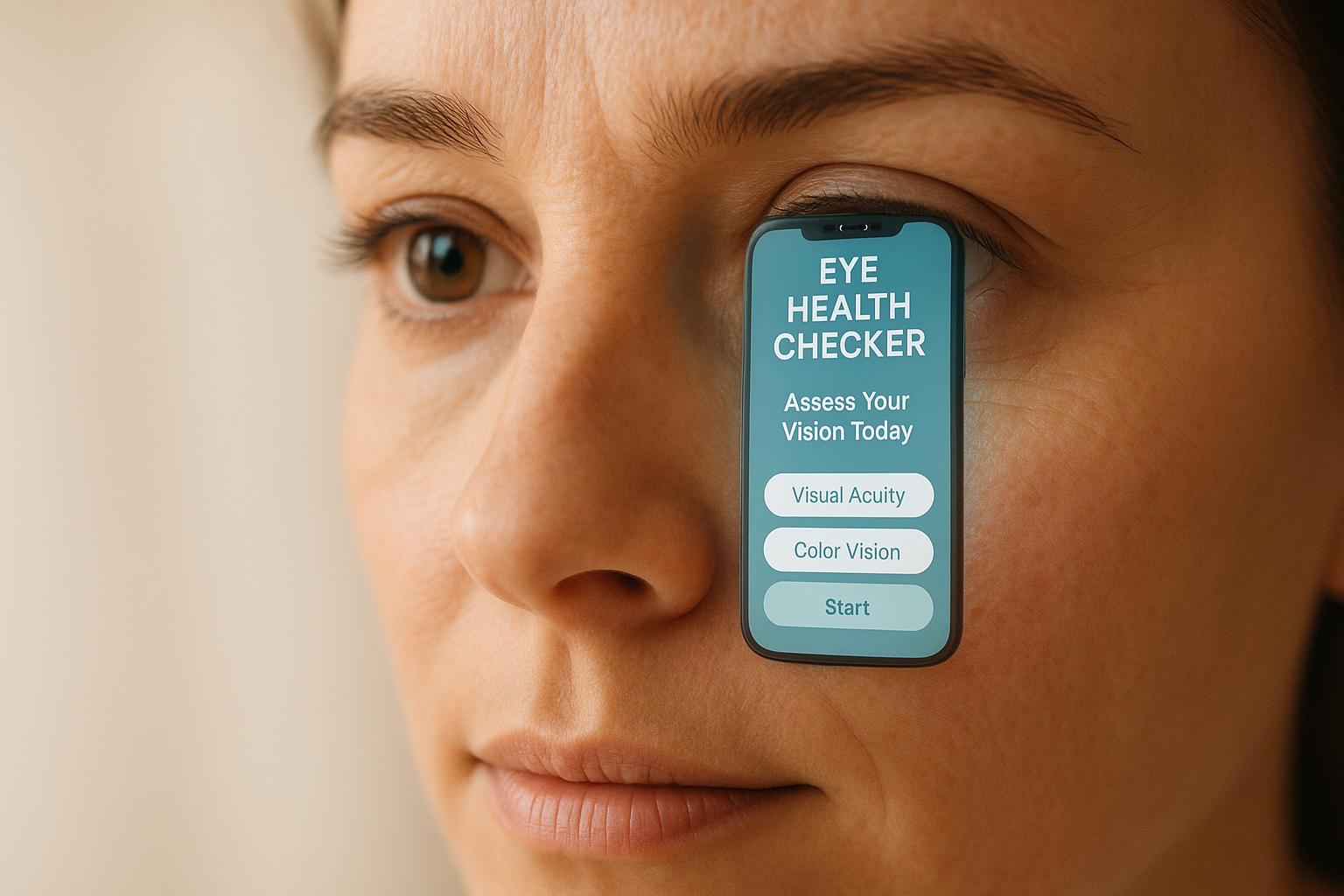
Nope, this Eye Health Checker isn’t a replacement for a professional diagnosis. It’s designed to help you spot potential red flags based on your symptoms and history. Think of it as a starting point—if anything seems off, please book an appointment with an optometrist for a thorough checkup. Your eyes deserve the best care!
How often should I get an eye exam?
It depends on your age and health, but generally, adults should aim for an eye exam every 1-2 years. If you’re over 60, have a family history of eye issues, or notice symptoms like blurry vision, you might need one more often. Kids and teens should also get regular checks, especially if they’re on screens a lot. When in doubt, chat with an eye doctor to figure out what’s right for you.
What are common signs of eye problems I should watch for?
Keep an eye out for things like blurry or double vision, frequent headaches, eye strain after screen time, dryness, or trouble seeing at night. Even subtle changes, like squinting more often, can hint at an issue. If anything feels off for more than a few days, don’t ignore it—our tool can help you assess these signs, but a professional opinion is always the safest bet.